Property viewings have long been a foundation of real estate transactions, yet the central query remains: Are they truly worthwhile? For those selling, potential purchasers, or real estate professionals, the actual benefit of hosting such an event is often debated. In this piece, we'll clarify the nature of open houses, offer instruction on executing one successfully, and explore the arguments for why they might—or might not—warrant the investment made. Additionally, we will review the details of agent-only open events and help you decide if they could be a helpful element in your home promotion strategy.
What Really Defines an Open House?
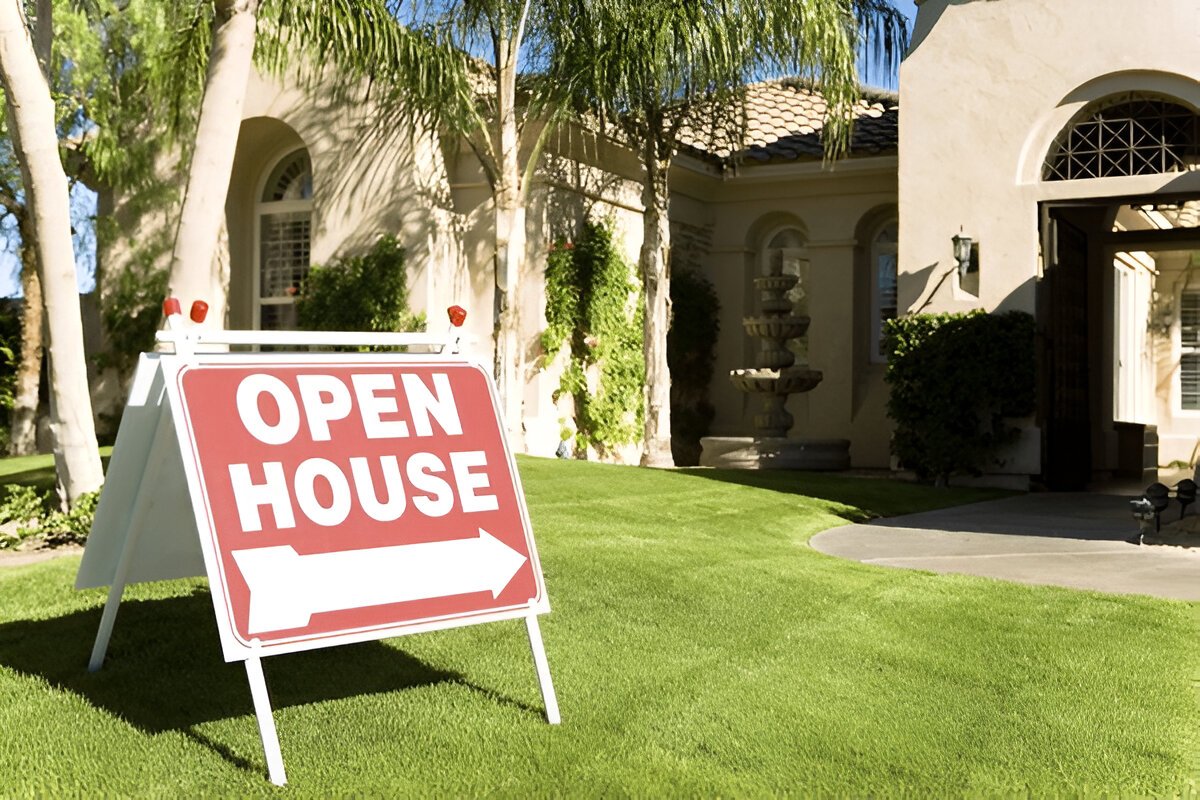
Prior to examining the advantages of open houses, we really must establish a clear definition. A property on the market is available for perusal by interested purchasers during an open house event, where appointments are not necessary. Typically, a real estate professional displays the residence, offering guided walkthroughs or being present to address inquiries.
These scheduled walkthroughs can attract both serious buyers and those just looking, providing sellers a chance to display their residence to a wider gathering of interested parties. Nevertheless, do these readily available viewings truly generate favorable returns proportional to the energy and resources expended? We will examine this presently.
Do Property Sellers Benefit from Open Houses?
For individuals aiming to market a residence, a key question revolves around whether staging an open house actually results in a favorable sale. In reality, a few upsides and downsides merit thought. The beneficial side is that open viewings offer significant exposure and draw in potential buyers who might otherwise miss the listing. Numerous visitors prefer the simplicity of inspecting a home without needing to schedule an appointment or arrange distinct visits.
However, an open house event does not invariably lead to a desirable result. A considerable number of those present might simply be looking around instead of being serious potential purchasers. Even so, setting up an open showing can generate interest and elevate your dwelling's prominence, which is a vital element in real estate promotion.
Hosting an Open House: A Brief Overview
Should you opt to organize an open house, here is a swift manual on successfully executing it:
1. Select Optimal Timing: Determine a time to visit that will interest prospective purchasers. Weekends, notably Saturday and Sunday, often present prime opportunities for viewings since individuals usually have time away from their jobs.
2. Publicize Extensively: Spread the word about your open house via various channels, such as online sites, real estate listing services, and physical flyers. Increased exposure for your event heightens the likelihood of drawing in buyers.
3. Ready the Home: Ensure the residence shines, is free of excess items, and is appealingly presented prior to visitors arriving. Initial perceptions carry significant weight, and this is your opportunity to create a positive one.
4. Supply Essential Information: Prepare pamphlets or summary sheets outlining vital home specifics, such as its worth, features, and neighborhood facts. Be poised to address queries regarding the dwelling's background, advantages, and possible improvements.
5. Engage an Expert Agent: Should you prefer not to manage the tour yourself, think about employing a property expert to oversee operations. They possess the requisite aptitude and familiarity for effectively capturing the attention of interested parties.
What is the Best Duration for an Open House?
A frequent inquiry regarding hosting an open house revolves around its ideal length. Usually, these showings extend over a timeframe of two to four hours. This interval affords prospective buyers sufficient opportunity to visit when it best suits them. However, remember that the schedule for your open house may shift depending on the particular market you are addressing. For more exclusive or expensive homes, you might think about lengthening the time frame to better accommodate busy agendas.
Are Broker Showings Beneficial?
A broker open house is a somewhat distinct kind of showing. It's an occasion for real estate professionals and agents to inspect the listing, usually scheduled prior to the general public open house. Broker events enable agents to offer input to the owner and suggest adjustments based on their knowledge. These gatherings can also be useful since agents might know potential purchasers actively seeking a home in that particular price bracket.
Although these professional viewings might not immediately result in a transaction, they can enhance the property's visibility amongst those skilled in the property market. Broker open houses frequently prove to be a sound expenditure, particularly if your goal is to draw in buyers via an agent.
What Is a School Open House?
While "open house" frequently relates to property sales, this term also appears in other settings, including education. A school open house is an occasion where guardians and pupils are encouraged to visit the institution, interact with educators, and discover the academic curricula available. Even if it seems distinct from the housing market, the core notion of an open house persists—offering straightforward entry for those curious to gain further knowledge about the facility (the school) and what it presents.
Is Arranging a Home Showing a Good Idea?
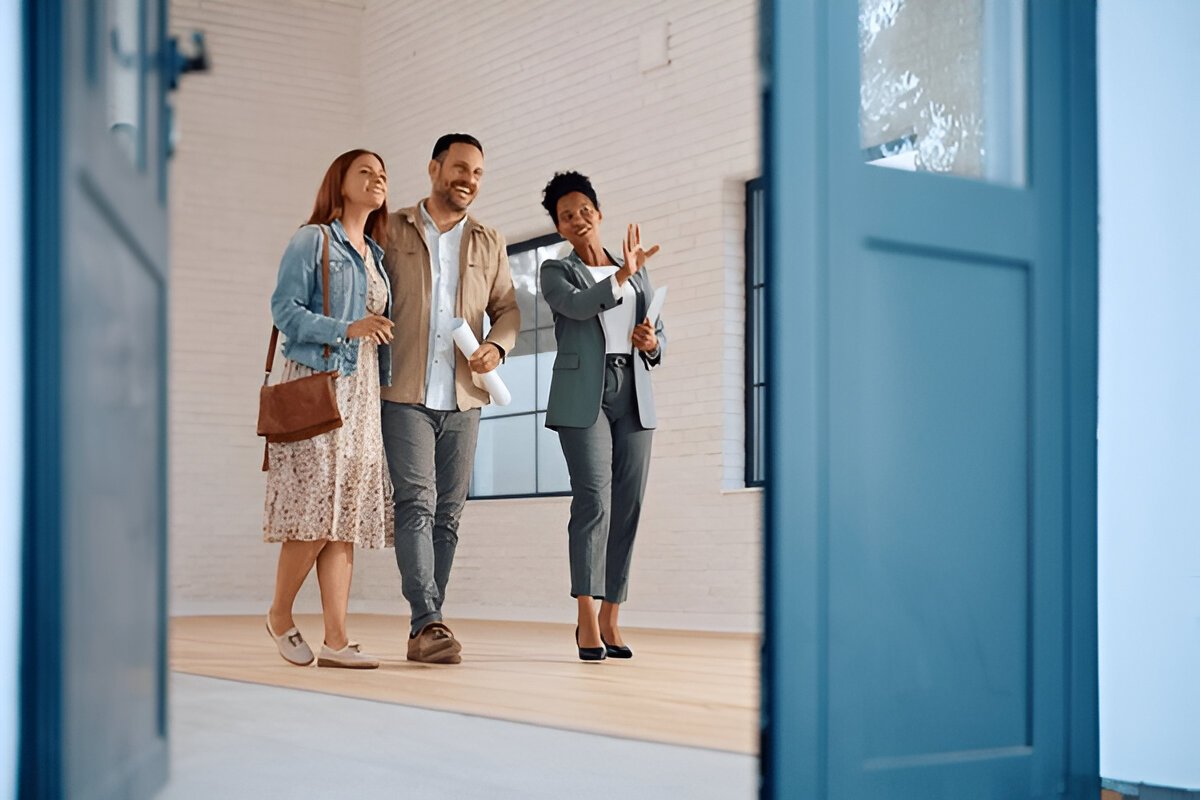
Ultimately, if an open house proves worthwhile hinges on a few different aspects. Here is a brief summary:
Upsides of Displaying Your Property via an Open House:
- Boosts the property's exposure
- Chance to draw in prospective purchasers who might not have booked a personal viewing - Generates interest and enthusiasm regarding the listing
- Allows casual shoppers to drop by more conveniently without prior obligation
Disadvantages of Hosting an Open House:
- Restricted to a brief timeframe, potentially missing certain interested parties
- Might bring in individuals who aren't genuinely looking to purchase
- Can demand significant time and effort
Conclusion: Do Open Houses Bring Advantages?
Fundamentally, the utility of open houses relies upon your specific objectives and circumstances. For those listing properties, these gatherings function as a helpful marketing technique, assisting in raising awareness and generating interest. However, they do not assure a successful transaction, especially when attendees aren't truly intending to purchase.
For property agents, hosting exclusive, agent-only viewings can attract colleagues and boost exposure, possibly leading to more deals. If you're unsure, trying an open house might demonstrate its success for your property. Make certain to have comprehensive preparation, robust advertising, and a willingness to engage with potential buyers.
Frequent Inquiries
1. Typically, what is the usual duration for property viewings?
Home walkthroughs commonly last near two to four hours; however, the exact span can differ based on the specific residence and expected attendance.
2. What are the key steps for a successful public viewing session?
Make sure to promote the tour, select an appropriate slot, ready the premises, and have all required documentation accessible for attendees.
3. What advantages come with having real estate professionals oversee open houses?
Certainly, agent-directed tours present pluses such as obtaining expert perspectives and increasing exposure among relevant networks.
4. How might one describe the purpose of an educational institution's open house activity?
An academic showcase is an occasion where prospective parents or students can explore the site, converse with personnel, and become informed about the curriculum provided.
5. Does arranging a property tour offer value for my objectives?
Setting up an open house brings advantages like expanding outreach and attracting prospective purchasers, though a rapid sale is never guaranteed.